
Paper's Everyday Magic
Most days, paper feels invisible.
It sits under your coffee cup as a receipt. It shows up as a sticky note on your monitor. It arrives as a folded menu you barely read. It is the packaging you tear open and throw away without thinking.
And yet, paper quietly holds together huge parts of modern life.
Not in a nostalgic, “back in the day” way. I mean right now, in 2026, paper still does a handful of things better than any screen. It helps us think, remember, decide, learn, design, and calm down. It is one of the rare tools that scales from a child’s doodle to a legal contract, from a grocery list to a blueprint for a skyscraper.
Paper is not just “an old medium.” It is a surprisingly advanced interface.
Let’s talk about why.
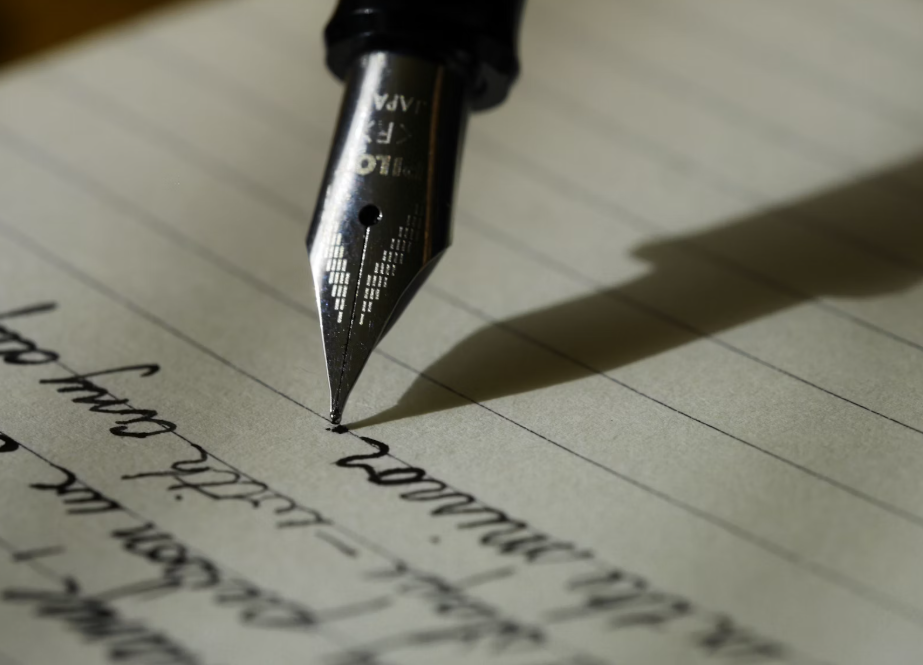
Paper is the original “instant-on” technology
A phone has a battery. A laptop has updates. A tablet has notifications that hijack your attention the second you unlock it.
Paper has none of that.
You pick it up, and it works. No boot time. No login. No brightness settings. No Wi‑Fi.
That sounds obvious, but it matters more than we admit. The barrier to starting is basically zero, which is why paper is still the go-to tool for:
Capturing a thought before it disappears
Sketching a plan when you do not want to open a dozen apps
Thinking without being interrupted
Making a quick decision in the moment
Paper is frictionless in the best way.
And because it is frictionless, it often wins at the most important moment: the moment you actually begin.
The paper advantage nobody talks about: it is a “quiet” medium
Screens are loud even when they are silent.
Even a blank document on a screen sits inside a device built to do ten thousand other things. Your brain knows it. Your habits know it. The entire ecosystem is optimized for switching, checking, clicking, and reacting.
Paper is quieter. It creates a small mental room where your attention can settle.
This is one reason people who swear they “can’t focus anymore” suddenly feel calm when they write in a notebook. It is not mystical. It is environmental.
Paper does not ask for anything from you. It just waits.
Paper makes thinking visible
A thought in your head feels complete until you try to write it down.
Then you notice the gaps.
Paper has a way of turning vague ideas into clear shapes. It forces you to commit to words, arrows, boxes, and priorities. And once a thought becomes visible, you can work with it.
You can:
Circle the important part
Cross out the nonsense
Draw a line between two ideas that finally connect
The simplest examples are also the most powerful.
The to-do list is not just a list
A to-do list is a tiny act of control.
You are taking invisible obligations and pinning them down into a manageable container. Even if you do not finish everything, the list reduces mental load because you no longer have to keep repeating reminders in your head.
The sketch is not “art,” it is problem-solving
A quick sketch is the fastest way to explore options. Whether you are rearranging a living room, planning a website layout, or mapping out a workflow, paper makes iteration cheap.
You can draw five versions in ten minutes without feeling like you are “building” something. That sense of freedom changes the quality of your thinking.
Paper is a memory amplifier
A lot of people notice this in school, then forget it in adult life.
When you handwrite something, you tend to remember it better than when you type it. Not because handwriting is magic, but because it is slower and more selective.
You cannot write down everything at the speed a lecturer speaks. So you summarize. You process. You choose what matters. That act of choice is part of learning.
Even outside education, paper helps memory in everyday ways:
Writing a short plan for the day makes it easier to follow
Taking notes during a meeting improves recall, even if you never re-read them
Journaling helps you track patterns you would otherwise miss
Leaving a physical note in a visible place beats a digital reminder you swipe away
Paper does not just store information. It changes how you encode it.
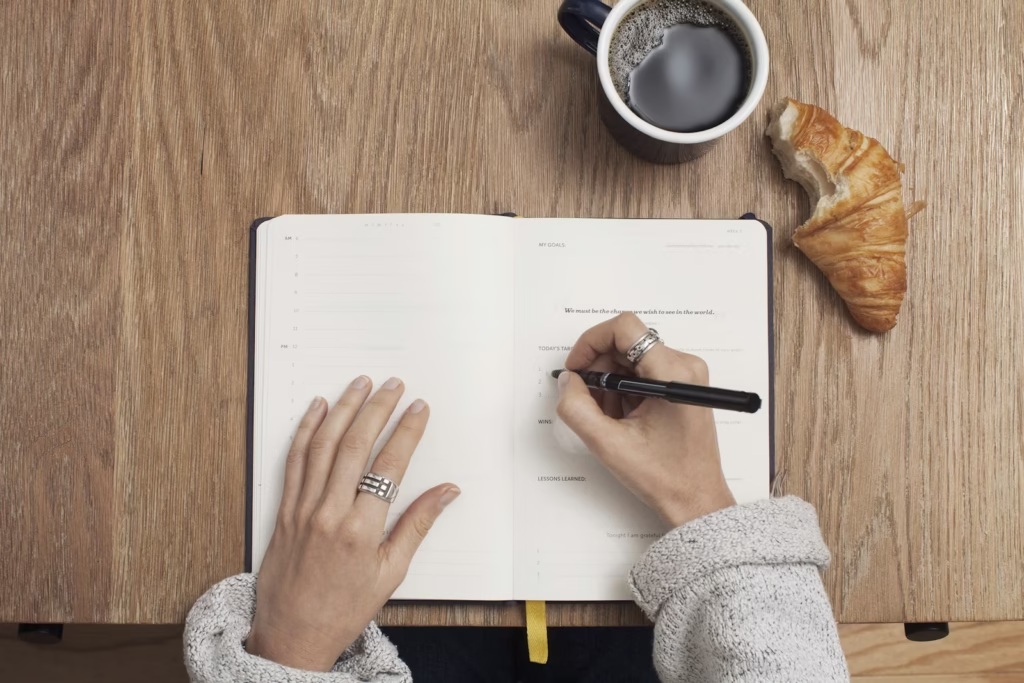
Paper is still the best tool for early-stage creativity
Digital tools are incredible once you know what you are making.
But early-stage creativity is messy. You do not want menus and layers and formatting decisions when you are still trying to figure out what the idea even is.
Paper is perfect for this phase because it is forgiving.
You can:
Start in the middle
Scribble without judgment
Write sideways in the margin
Doodle a shape that represents a feeling
Create a “bad” first draft quickly
This is why so many designers, writers, product people, and engineers still begin with paper even if the final output will be fully digital.
Paper is where you let the idea be ugly until it becomes useful.
Paper is tactile, and that changes how we feel
Touch is underrated.
Paper has texture. Weight. Grain. Resistance. You feel the pen drag. You hear the scratch. You see the indentation. Your body is involved.
That physical feedback creates a different kind of presence than tapping glass.
This is part of why:
Reading a printed page often feels calmer than reading on a phone
Writing in a notebook can feel grounding when you are anxious
A handwritten letter feels more personal than a message typed in the same words
Paper is not just information. It is an experience.
And experiences stick.
Paper builds trust in a way digital often struggles to match
We live in an era of screenshots, deepfakes, edited clips, and AI-generated text. Digital information is flexible, which is useful, but it also makes people suspicious.
Paper feels harder to fake, even when it can be faked.
That perception matters. It is why paper remains important in places where trust and accountability are central:
Signed agreements
Medical forms (often still printed even when stored digitally)
Official notices
Receipts, tickets, certificates, and records
Archived documentation
Even when the “real” version is digital, paper often functions as the human-facing proof.
It is a trust interface.
Paper is a boundary-setting tool in a boundaryless world
Modern life leaks.
Work messages show up at night. News follows you into bed. Social feeds refresh endlessly. It is not that everything is bad. It is that everything is always available.
Paper is one of the easiest ways to create a clean boundary.
Here are a few examples that actually work:
A paper notebook for work shutdown
At the end of the day, write:
What you finished
What is pending
The first task for tomorrow
Then close the notebook.
That simple ritual tells your brain, “We have stored the open loops.” It is not perfect, but it helps.
A paper book before sleep
A phone is a portal to everything. A paper book is just a book.
If your sleep is messy, replacing 20 minutes of scrolling with 20 minutes of a printed page is one of the lowest-effort upgrades you can try.
A paper meal plan or grocery list
This sounds small, but it reduces decision fatigue. It also keeps you from bouncing between apps while hungry, which is when impulse decisions happen.
Paper makes the plan visible, and visibility makes follow-through more likely.
The “paper paradox”: it feels slow, but it often speeds you up
Typing is fast. Copy-paste is fast. Searching is fast.
So why does paper sometimes lead to faster outcomes?
Because speed is not the bottleneck. Clarity is.
Paper slows you down at the right moments:
Before you commit to a plan
Before you send a message you might regret
Before you build the wrong thing
Before you spend money in the wrong direction
If you have ever written a rough outline on paper and then produced a clean digital version in half the time, you have felt this.
Paper is slow input that produces fast decisions.
Paper is not “anti-tech.” It is the best partner tech has.
The smartest way to use paper is not to choose paper instead of digital.
It is to combine them.
Here are a few hybrid workflows that feel almost unfair once you adopt them:
Paper first, digital second
Brain-dump on paper
Circle the real points
Convert the final structure into a doc or task manager
This prevents you from turning a digital tool into a messy thinking space. Digital becomes your clean execution layer.
Print drafts to edit
Editing on a screen can be weirdly slippery. You skim. You miss obvious problems. Your brain sees what it expects.
Print it and edit with a pen. You catch more. You also tend to make bolder cuts.
Then apply the edits digitally.
Scan paper notes into a searchable archive
You do not need a complex setup. A scanning app and a consistent folder name goes a long way.
Paper stays your thinking tool. Digital becomes your storage and retrieval tool.
The small paper moments that still matter more than we admit
Some of the “magic” of paper is not productivity. It is emotional.
A handwritten note changes the temperature of a relationship
A short note that says, “I noticed what you did, and I appreciate you” hits differently when it is written by hand.
It takes time. It shows effort. It becomes a physical object someone can keep.
You cannot swipe it away.
Kids understand paper intuitively
Give a child a piece of paper and a pencil and they will build a universe.
Paper is open-ended in a way most digital tools are not. There is no wrong button. No menu. No “undo anxiety.” Just marks and imagination.
Paper creates keepsakes without trying
Digital photos are everywhere. But they often stay trapped in a camera roll.
Paper turns moments into artifacts:
A postcard
A ticket stub
A printed photo with a date on the back
A recipe card written by someone you love
Years later, these objects carry a kind of quiet weight.
What about sustainability?
We should talk about it, because paper is physical and that means resources.
The good news is this: paper is one of the most widely recycled materials in many places, and responsibly sourced paper can be a renewable product. The bad news is that not all paper is sourced responsibly, and not all paper gets recycled.
If you want the practical middle ground, here it is:
Use paper intentionally, not mindlessly
Choose recycled paper when you can (especially for printing)
Print double-sided by default
Avoid “single-use paper” habits that do not add value (random printouts, excessive packaging when alternatives exist)
Reuse: scrap paper for notes, kids’ drawing, quick drafts
Recycle properly: keep food-contaminated paper out of recycling if your local rules require it
You do not have to be perfect to be responsible. You just have to be awake.
How to bring more paper into your life without becoming “that notebook person”
You do not need a fancy journaling system. You do not need twenty pens. You do not need to romanticize it.
Try one of these for a week:
1) The one-page daily plan
Each morning, write on one page:
Today’s top 3
One thing you are avoiding
One small win you can finish in 15 minutes
That is it.
2) The meeting notebook rule
If the meeting matters, use paper.
Write the decisions, not the discussion. End with “Next actions” and who owns them.
3) The brain-dump page
When your mind feels loud, set a timer for 7 minutes and write everything on a page. No structure.
Then stop. You will feel the difference.
4) The print-to-edit habit
If you are writing something important, print it once before finalizing.
You will catch mistakes you did not know were there.
5) The “phone-free” paper block
Pick 20 minutes a day where you do something paper-based:
Read a book
Sketch an idea
Write a letter
Plan your week
This is not a productivity trick. It is attention hygiene.
Let’s wrap this up
Paper is not outdated.
It is a low-friction, high-trust, high-clarity tool that still holds its own in a world full of glowing rectangles. It helps you think when you are foggy, remember when you are overloaded, and slow down when everything feels too fast.
The underrated magic of paper is simple: it gives your mind a place to land.
If you want to feel that magic again, you do not need a huge lifestyle change. Just put a notebook and a pen where you can reach them, and use them for the moments that matter.
